Allergies in Cavalier King Charles Spaniels: A Science-Based Guide to Itchy Skin, Ear Problems, and Seasonal Triggers in the Pacific Northwest
- Green Acres K-9 Resort
- 12 minutes ago
- 6 min read

If your Cavalier King Charles Spaniel scratches, licks their paws, rubs their face, or develops recurring ear problems, allergies may be part of the picture. In Boring, Portland, and throughout the Pacific Northwest, seasonal pollen, damp conditions, fleas, food reactions, and ear anatomy can all contribute to skin and ear disease.
Allergies are manageable, but diagnosis usually requires a methodical process. The goal is not simply to stop the itch for a few days. It is to identify contributing factors, treat secondary infections, and create a practical long-term plan that supports comfort, therapy-dog readiness, health longevity, and quality of life.
Important: This article is educational and does not replace an examination by your veterinarian. A painful ear, rapidly worsening rash, open skin, or balance problem should be evaluated promptly.
What the research says about Cavalier skin and ear health
Breed-specific data help explain why responsible owners should monitor these problems early.
In a large 2015 VetCompass study of Cavalier King Charles Spaniels under primary veterinary care in England, dermatological disorders were recorded in 22.2% of dogs. Hypersensitivity or allergic skin disease was recorded in 48 dogs. Otitis externa, meaning inflammation of the outer ear canal, was recorded in 9.2% of the study population.
These figures come from England, not Oregon, but they provide useful breed-specific health information. Cavaliers have also been identified as predisposed to canine atopic dermatitis in some populations. Australian and international research shows that breed risk can vary by geography, genetics, environment, and referral patterns. Findings should therefore not be treated as an exact prediction for every Cavalier King Charles Spaniel Oregon household.
Ear conformation is another factor. Pendulous, hair-covered ears can retain warmth, moisture, wax, and debris. A 2021 UK primary-care study found an overall one-year prevalence of canine otitis externa of approximately 7.3% and identified pendulous ear carriage as a risk factor. In Cavaliers, allergies and ear conformation can work together: allergic inflammation changes the ear canal environment, making secondary yeast or bacterial overgrowth more likely.
A separate condition, primary secretory otitis media (PSOM), or “glue ear,” is especially important in Cavaliers. PSOM affects the middle ear and involves thick mucus behind the eardrum. It is not the same as a routine outer-ear infection. Head or neck pain, a stiff neck, unexplained neurological signs, head tilting, balance changes, or discomfort when the head is handled warrant veterinary assessment.
Common allergy signs in a Cavalier
Allergic skin disease can appear in several ways. Watch for:
Repeated scratching, chewing, licking, or rubbing
Paw licking or reddish-brown staining between the toes
Redness on the belly, groin, armpits, or face
Recurrent hot spots or superficial skin infections
Hair thinning, scabs, crusts, or thickened skin
Head shaking or ear scratching
Ear odor, waxy discharge, redness, or pain
Seasonal flares during particular months
Itch that continues even when the ears appear normal
The location of itch alone cannot reliably distinguish environmental allergy from food allergy. Flea allergy has a more recognizable pattern, often affecting the lower back, tail head, and inner thighs.
Step 1: Consider the major allergy triggers
1. Flea allergy dermatitis
Flea allergy dermatitis is a hypersensitivity reaction to proteins in flea saliva. A sensitive dog may itch intensely after only a small number of bites, and you may not see live fleas because dogs often groom them away.
A responsible prevention plan includes:
Using a veterinarian-approved flea preventive consistently
Keeping prevention active year-round
Treating every dog and cat in the household
Washing bedding and addressing the home environment when an infestation is present
Asking your veterinarian which product is appropriate for your Cavalier’s age, health history, and medications
Flea control is often the first practical step because it addresses one major cause of itch and helps clarify whether another allergy is also present.
2. Environmental allergies
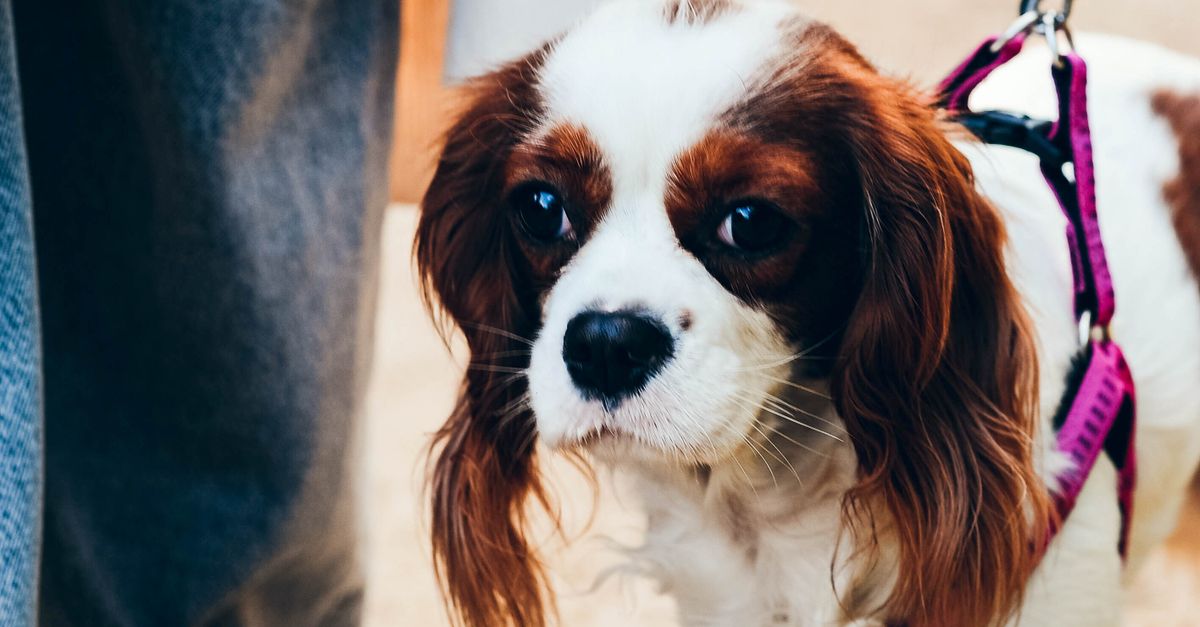
Canine atopic dermatitis is commonly associated with environmental allergens such as pollens, molds, dust mites, and plant material. It is generally diagnosed by excluding other causes rather than by a single positive blood test.
In the Willamette Valley and wider PNW, the usual pattern is:
Trees: often rise in late winter, with peaks around March and April
Grass: commonly increases from late May through July
Weeds: often become more important in late summer and early fall
Mold: may be present year-round because of damp outdoor conditions and indoor moisture
Weather does not automatically cause an allergy, but wet walks can leave allergens and moisture on paws, feathering, and ear flaps. After outdoor activity in Boring or around Portland, wipe paws and the lower coat with a clean damp cloth, then dry thoroughly.
3. Cutaneous adverse food reaction
Food allergy can cause year-round itch, recurring ear disease, and sometimes gastrointestinal signs. However, food allergy cannot be diagnosed reliably by blood, saliva, hair, or commercial “allergy panel” testing.
The evidence-based approach is an exclusive elimination diet trial:
Review every ingredient your puppy or adult Cavalier has eaten, including treats, chews, supplements, table food, and flavored medications.
Work with your veterinarian to choose a prescription hydrolyzed or novel-protein diet.
Feed the trial diet exclusively for at least eight weeks.
Prevent access to other pets’ food, dropped food, treats, and flavored products.
If signs improve, perform a controlled rechallenge with the previous diet under veterinary guidance.
Improvement on the diet alone suggests, but does not prove, food allergy. Recurrence after rechallenge provides stronger evidence.
Step 2: Ask your veterinarian for a complete workup
The 2023 AAHA allergic skin disease guidelines recommend a structured approach. Depending on your Cavalier’s symptoms, this may include:
A detailed history, including seasonality and previous treatments
A full skin and ear examination
Flea combing
Skin cytology to check for yeast or bacteria
Ear cytology when ear disease is present
Skin scrapings or other parasite testing
Otoscopy to examine the ear canal and eardrum
A diet trial when food allergy is a possibility
Atopy is a diagnosis of exclusion. Serum or intradermal allergy testing is generally most useful when a veterinary dermatologist is formulating allergen-specific immunotherapy: not as a stand-alone test to prove that a dog has allergies.
Treating secondary infections is important. Yeast and bacteria can significantly increase itch and ear discomfort, and antipruritic medications may appear less effective when infection remains active.
Step 3: Build a multimodal treatment plan
There is no single best treatment for every Cavalier. Veterinary plans may combine:
Prescription flea prevention
Medications to reduce itch and inflammation
Topical shampoos, mousses, sprays, or paw products
Treatment for bacterial or yeast infections
Diet management for confirmed food reactions
Individualized ear cleaning and maintenance
Allergen-specific immunotherapy for selected dogs
Do not place over-the-counter ear drops, vinegar mixtures, essential oils, or human medications into your Cavalier’s ears unless your veterinarian has approved them. An intact or damaged eardrum changes which products are safe.
Allergen immunotherapy is a longer-term option for environmental allergy. A 2023 systematic review describes it as the only treatment directed at changing the allergic immune response rather than only controlling symptoms. Improvement may take months, and many dogs still need additional support during flares.
Step 4: Create a PNW prevention routine
A simple Oregon routine can reduce exposure and help you notice changes earlier:
Check ears weekly for odor, redness, wax, or discharge.
Wipe paws after grassy or muddy walks.
Dry the ear flaps and feathering after rain or bathing.
Bathe as directed by your veterinarian using a dog-safe product.
Wash bedding regularly and keep indoor humidity controlled.
Keep flea prevention current for every household pet.
Record itch levels and flare dates in a simple calendar.
Schedule rechecks when treatment is prescribed, even if your Cavalier looks better.
Our earlier guidance on rainy-weather grooming, ear and general health, and nutrition can complement this routine.
When allergies affect therapy work and longevity
An itchy or painful Cavalier may have difficulty resting, focusing, accepting handling, or participating comfortably in therapy-dog activities. Skin and ear care is therefore part of responsible preparation for a therapy dog, not only a cosmetic concern.
Good allergy management does not guarantee a longer Cavalier lifespan, and it cannot prevent every breed-specific condition. It can, however, reduce avoidable discomfort, support mobility and sleep, and help your companion remain comfortable through puppyhood, adulthood, and senior dog health.
For families researching Cavalier King Charles Spaniel puppies Oregon, ask breeders about veterinary care, health screening, socialization, and their approach to long-term breed-specific health. At Green Acres Nextgen Cavaliers in Boring, Oregon, our focus includes health-conscious breeding, therapy-like temperaments, and well-socialized puppies prepared for life as family companions.
Key takeaways
Cavaliers can develop allergic skin disease and recurring ear problems.
PNW pollen and damp conditions may contribute to seasonal flares and moisture-related ear issues.
Flea allergy should be addressed with strict, year-round prevention.
Food allergy requires an exclusive elimination diet and controlled rechallenge.
Ear and skin cytology can identify secondary yeast or bacterial infections.
PSOM, or glue ear, is a separate Cavalier-associated middle-ear condition.
Early veterinary assessment supports comfort, quality of life, therapy readiness, and health longevity.
Bibliography
Comments